

Wellness Culture is for the Wealthy
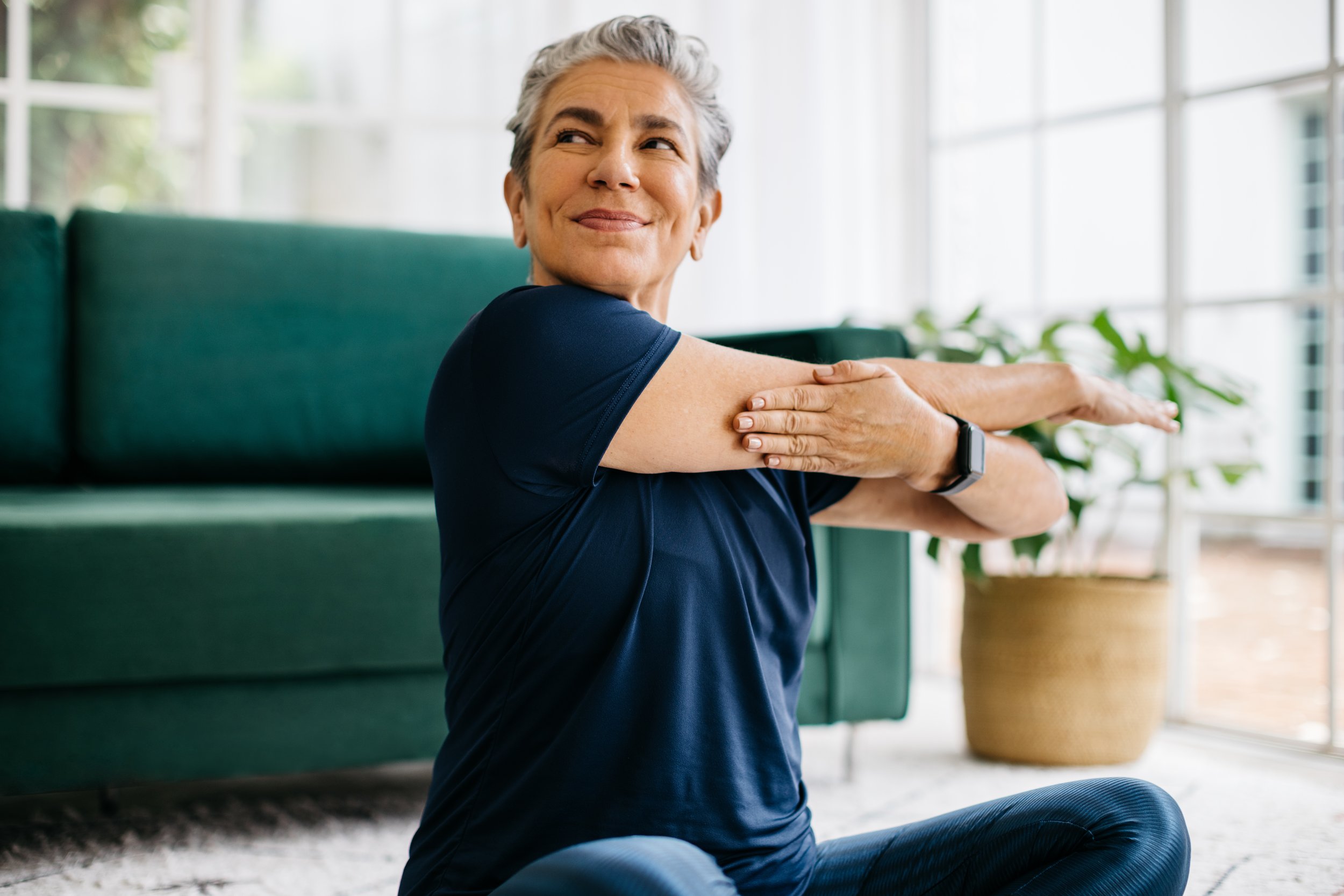
Log in to social media and you’re sure to see countless sponsored ads and influencers promoting supplements, meal plans, fitness programs, and at-home tests promising to diagnose everything from food allergies to digestive ailments. You may have even purchased a few of these wellness products or services yourself! I know I have.
According to the Global Wellness Institute, the wellness market has exploded in recent years and is expected to continue booming for years to come. On average, Americans spent over $6,000 per person on wellness in 2023, according to the Global Wellness Institute. In 2024, the wellness industry was worth $6.8 trillion dollars. The industry is made up of sectors like wellness tourism, physical activity, mental wellness, spas, medicine, personal care & beauty, and nutrition.
But who gets to participate in wellness culture? And what’s the cost of entry—financially and mentally? That’s what we’re breaking down in this article. Learn more about what wellness culture is, how it intersects with wealth, and a vision of what true wellness can be.
What is Wellness Culture?
According to Christy Harrison MPH, RD, CEDS, a prominent journalist and anti-diet dietitian, wellness culture is “a set of values that equates wellness with moral goodness, and posits certain behaviors—and a certain type of body—as the path to achieving that supposed rectitude.”
In other words, it’s the idea that if you’re healthy (which unfortunately, is often conflated with thinness), you are a more worthy human. Further, it asserts that it’s your personal responsibility to work towards health. Hence, the multi-trillion dollar wellness industry.
This is an oppressive framework reserved only for the financially privileged. Your body’s size, shape, or health status says nothing about your worth as a human. Your worth exists independent of those factors. Yet, many of us have internalized the idea that putting time and money into “wellness” makes us better people. We have come to believe that if we have health issues, it’s our fault and we’re sold products that promise to ‘fix’ said issues. This is especially problematic because of the incredibly high cost of entry into the wellness world, making it utterly inaccessible for many Americans—particularly those with marginalized identities.
Who Gets to Participate in Wellness Culture?
Unfortunately, health and wealth are often one-and-the-same in the US. Think of the wellness products and services marketed on social media—supplements, nutrition courses, wellness retreats, skincare regimens, de-stressing balms, weight loss programs, fitness coaching, and more. Supplements can easily add up to a couple hundred dollars per month, wellness retreats can cost upwards of a few thousand dollars, and fitness programs can run you another few hundred bucks a month. Organic foods can cost twice as much as conventional alternatives, and fresh fruits and veggies are often much pricier than canned ones. That’s not to say that these wellness offerings are all ‘bad’—they can have real value for people!—but the cost of entry is often so high that wellness culture becomes reserved exclusively for the elite.
Even wellness basics like health insurance and nutritious foods can be prohibitively expensive for many folks. As of 2024, about 11.6% of Americans don’t have health insurance, per the CDC. The uninsured rate spikes to 24.6% for Hispanic Americans. These are some of the social determinants of health—social, environmental, and contextual conditions that influence people’s physical and mental wellness. Studies show that American Indian or Alaska Natives, Native Hawaiians or Pacific Islanders, Black or African Americans, and Latines are disproportionately affected by these systemic issues. These groups are more likely to experience food insecurity, employment instability, unreliable transportation, and housing insecurity. On average, white families have six times the wealth of Black or Hispanic families, according to the Urban Institute. These factors play a much larger role in health than a face roller or the latest fitness tracker, yet are frequently not acknowledged by wellness culture.
Given wellness culture’s conflation of health and morality, outwardly participating in wellness culture can become a sort of virtue signaling. It’s as if by posting the picture of your protein and veggie-packed meal after a cute-but-sweaty gym selfie, you’re showing the world that you’re trying, you care about your health, and you’re one of the ‘good’ ones. It becomes easy to forget what true wellness really is.
Moving Towards True Wellness
The Global Wellness Institute defines wellness as “the active pursuit of activities, choices and lifestyles that lead to a state of holistic health.” It includes a few different dimensions—physical, emotional, mental, spiritual, social, and environmental. Wellness culture places supreme value on the individual behaviors and choices we make to prevent health issues and enhance our quality of life. You can see, then, how the wellness industry has become a booming one. In our wellness-obsessed culture, we believe that buying all of the health gadgets, workouts, supplements, apps, meal kits, etc. will transform our health and improve our quality of life. Participating in wellness culture requires an immense amount of privilege.
However, the social determinants of health play a much larger role in health and quality of life. That’s right—having access to quality healthcare and nutritious food, living in a safe and walkable neighborhood, getting a quality education, and stable income go much further than trendy supplements or a boutique gym membership when it comes to good health. And health has way more to do with systemic factors, not our individual behaviors. True wellness does not have a ‘look.’ So perhaps one of the most impactful things we can do for our well-being, and that of our neighbors and loved ones, is to advocate for a society where everyone has access to things like healthcare, education, and safe housing.
Speaking of loved ones and neighbors, building strong social networks is another meaningful way to improve your health and quality of life without spending a dime. Studies show that social connection is one of the biggest contributors to physical and mental health, per the CDC. Yet, Americans are lonelier than ever, per the American Psychological Association. So instead of scrolling on social media and being bombarded with promos for the latest wellness culture trend, what if you reached out to a friend or went for a walk with a partner? You may choose to volunteer at a local charity or become a Project HEAL Ambassador! Chances are it’ll do much more for your well-being than the latest costly wellness trend ever could.