

How to Embrace Cultural Foods as Part of Your Healing Journey
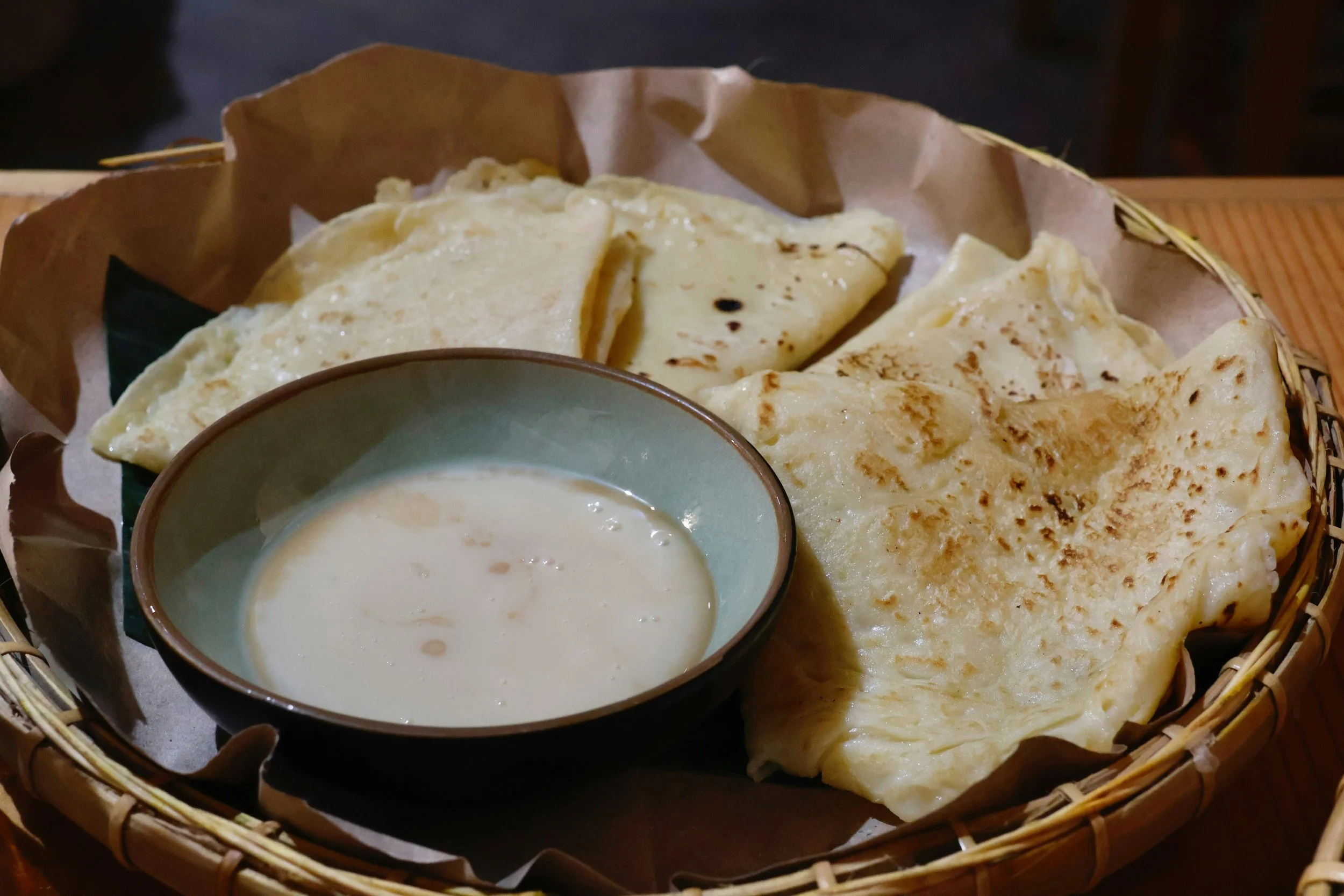
Cultural foods offer more than just sustenance. Across the globe, diverse cuisines represent history, identity, community, and memory.
However, mainstream wellness culture often vilifies cultural and ancestral foodways, labeling them as “unhealthy” because they don’t reflect the narrow Western model of “pure” or “clean” nutrition. This can be especially harmful to those with eating disorders, for whom food is frequently tied to feelings of self-worth, deprivation, control, anxiety, and trauma.
In a world that shames folks for their eating choices, learning to celebrate and connect with the foods of your heritage will reframe nourishment as a source of liberation, agency, and empowerment. It can also help cultivate a renewed appreciation for who you are and where you come from.
Let’s explore the benefits of tuning out harmful wellness culture stereotypes to embrace cultural foods, plus, how to weave this practice into your healing.
We’re Not Just Talking About Food, But Foodways
The term “foodway” refers to the traditional procurement, cooking methods, eating habits, and social rituals or customs that influence how a cultural group shares and consumes food.
The ability to access and practice one’s ancestral foodways creates a deep sense of comfort, safety, acceptance, and both physical and mental well-being, explains the Food Security Journal. It can also alleviate stress and help folks nurture resilience against the societal biases or discrimination they might encounter in daily life, the journal continues.
Reconnecting with cultural foodways has also been shown to strengthen personal identity. This can be monumental for children of immigrants who feel a complex tension between their own birth country and their parents’ native culture. Establishing a secure identity is a crucial part of eating disorder recovery as well.
Eating disorders blur the lines of identity, replacing what used to be a clear sense of self with intrusive thoughts, unstable emotions, inconsistent boundaries, and compulsive, extreme, or erratic behaviors. Embracing your cultural foodways can help you find yourself again in recovery.
How Do Cultural Foods Nurture Healing?
An eating disorder mentality often characterizes food as the enemy in a battle for control. But this is an insidious function of Western colonialism—compelling you to abandon the culinary traditions, customs, and heritage of your ancestors in the name of wellness and will-power.
Cultural foods can reframe your relationship with the nourishment and pleasure of eating. Here’s how embracing cultural foods intersects with healing.
Restore a Sense of Connection to Yourself
Some cultural foodways have been marked by the generational trauma of forced assimilation, colonization, or systemic inequalities. This causes a rupture between folks and the culinary traditions that once anchored them to their homes, families, and communities, which can make it hard to connect with themselves.
Research shows that the sensory experience of cooking, tasting, and sharing cultural foods evokes both personal nostalgia and collective memory. This helps restore a meaningful connection to where you come from.
Weaken the Pressure of Societal Norms
Western diet culture and beauty norms promote thinness, restriction, control, and avoiding processed foods as moral virtues.
These messages can be internalized by folks of all cultural, racial, and ethnic backgrounds. However, those who deal with acculturative stress (pressure to assimilate with mainstream Western ideals) are more vulnerable to eating disorder symptoms in an effort to reflect those societal norms.
By contrast, leaning into your own cultural and ancestral experiences of food as nourishment, enjoyment, and connection, not a tool for moral value or aesthetic control, can weaken the grip of those harmful narratives.
Reframing Nourishment as Liberation
This concept of nourishment as liberation challenges the dominant wellness culture narrative connecting food with perfection, control, compliance, and restriction. With this liberation-focused perspective shift, you can cultivate a more flexible relationship with food that honors your roots and centers the following:
A source of self-knowledge: Food becomes a touchpoint for family stories, ancestral memories, traditional customs, and personal enjoyment.
A practice in self-care: Food becomes more than just sustenance, but an invitation to prepare and consume mindfully, cultivate gratitude, and resist shame.
A tribute to community: Food becomes a relational experience that fosters profound communal remembrance, connection, and acceptance.
A reclamation of autonomy: Food becomes an opportunity to reject the internalized stigmas or biases of diet culture and make nutritional choices that align with your own values, preferences, ethnicity, heritage, and other identity markers.
Incorporating Cultural Foodways Into Your Healing
Here are a few gentle and practical ways to embrace cultural foodways as a part of your healing journey.
Start with Cultural Food Stories
Collect food stories from relatives, elders, or community members. Ask them questions like, “Which foods were central to your rituals, celebrations, rites of passage, and even daily life?” This can help shift the narrative of food from something to restrict or avoid to a vehicle for connecting with your cultural practices, heritage, and identity.
Focus on Access and Preparation
Reclaiming access to traditional ingredients or preparation methods is an act of cultural resilience. If access is a challenge, adapt culinary traditions to what’s available while still maintaining the ceremonial elements.
Prioritize Mindful, Communal Eating
Turn meals into opportunities for connection rather than battle by sharing meals with family or friends. It’s deeply relational to share space around a table. Our virtual meal support community offers a safe, judgment-free environment to eat with other folks who are also healing, if you don’t have this community locally.
Seek Culturally Affirming Treatment
Culturally affirming care recognizes that eating disorder behaviors manifest differently across races, ethnicities, and cultures. As such, clinicians who practice in this way integrate each person’s unique heritage into both the mental and nutritional components of healing.
Use Project HEAL’s Referral Directory to find eating disorder professionals who honor cultural foodways instead of erasing them from the process.
Heal Through the Power of Your Culture
Cultural foodways serve as a connection to the colorful, diverse generational tapestry that formed you. Reclaiming these foodways can be a transformative experience that reframes eating from a source of anxiety to an anchor of nourishment, pleasure, and liberation.
